As we age, our skin gradually loses its natural firmness and elasticity, leading to concerns about sagging cheeks, deep nasolabial folds, or drooping brow lines. Choosing the right skin rejuvenation approach that suits your goals and lifestyle is therefore extremely important.
Currently, there are two main popular technologies: Ultherapy Program, a non-surgical lifting treatment, and Surgical Facelift. These two methods have clearly different mechanisms, results, and recovery periods.
Ultherapy Program: An Innovative Deep Skin-Lifting Technology Without Surgery
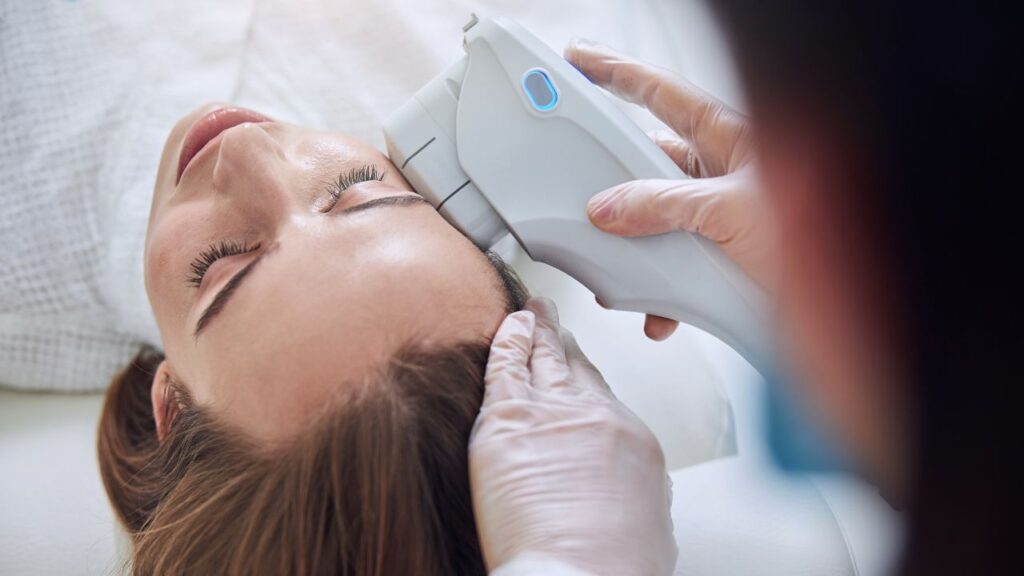
Ultherapy Program is an FDA-approved technology that uses focused ultrasound energy delivered deep into the skin layers to naturally stimulate the body's new collagen production process. This method is especially suitable for people with mild to moderate skin sagging. Its key highlight is that it is a non-invasive treatment with no incisions or needles, resulting in no recovery period, and patients can return to daily life immediately after treatment.
The results of the Ultherapy Program gradually appear naturally and continue to improve over 2 to 6 months. Results peak at around 3 months, and the effects can last approximately 1 to 2 years from a single treatment. However, repeat treatments are necessary to maintain long-term results. Nevertheless, some patients may experience temporary side effects such as redness, swelling, tightness, or numbness in the treated area.
Surgical Facelift: Structural Repositioning for Clearly Visible Rejuvenation
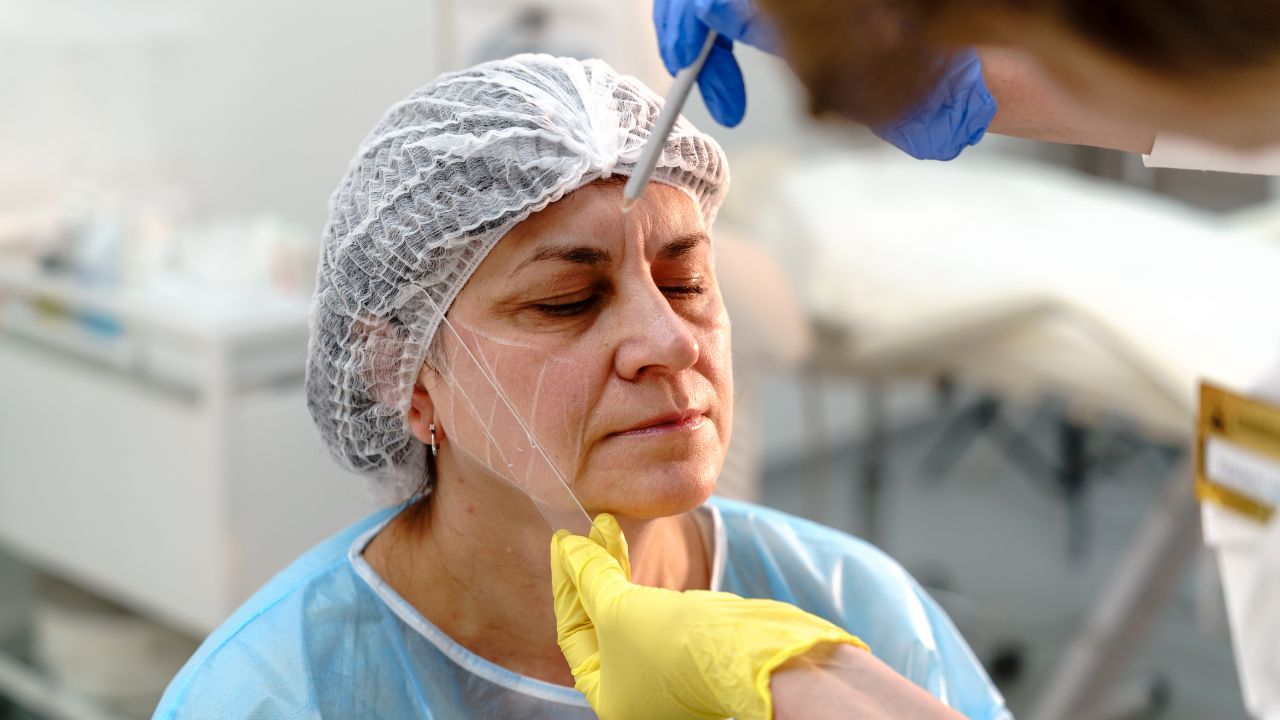
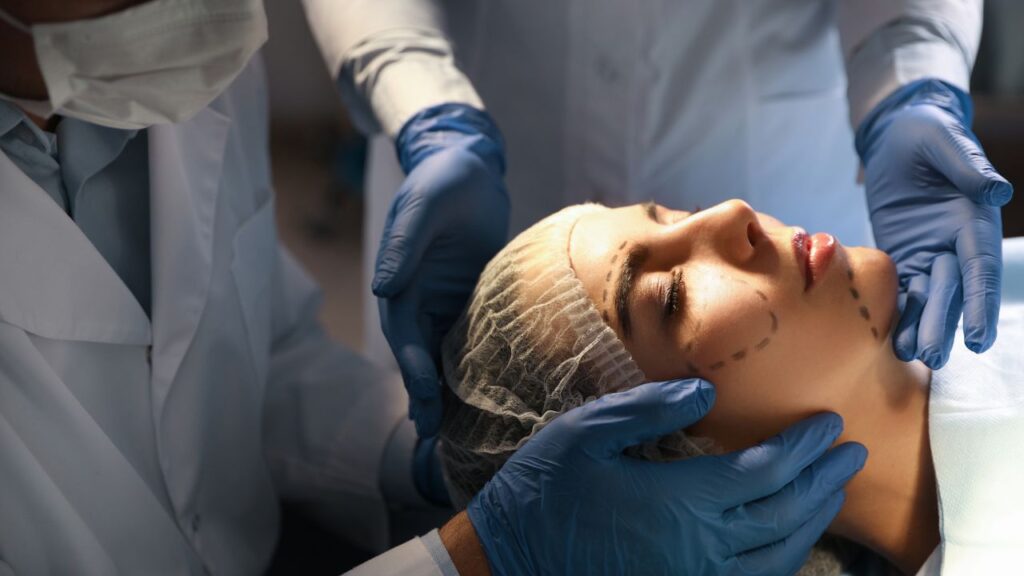
For those with moderate to severe skin sagging, deep wrinkles, and cheek sagging beyond what non-surgical technology can effectively correct, a surgical facelift (Rhytidectomy) is the best-suited option. The surgeon will surgically lift and reposition tissue and muscles beneath the skin, move fat pads upward into appropriate positions, trim excess muscle, and remove excess sagging skin. A surgical facelift provides immediate, clear results and a noticeably transformed appearance.
Results can last as long as 7 to 10 years, or sometimes even 10 to 15 years. Although surgery has a higher initial cost, because it is a one-time procedure with long-lasting results, it may be a more cost-effective choice when calculated over the long term.
Treatment Standards and Safety of Facelift Surgery at PPSI
If patients decide to choose surgical facelift, the Phuket Plastic Surgery Institute (PPSI) at Bangkok Siriroj Hospital, which has received international JCI accreditation, is ready to provide services with a team of specialized surgeons. Facelift surgery at PPSI takes approximately 6 hours, is performed under general anesthesia, and patients are required to stay at the hospital for 2 nights. The surgeon will carefully conceal surgical incisions along the hairline, in front of and behind the ears, and along the lower scalp line, so they blend smoothly with the skin.
For preparation, patients must inform the doctor in detail about any underlying medical conditions, including hypertension, and must stop aspirin and Brufen-type pain relievers, as well as stop smoking for 2 weeks before surgery to prevent bleeding and reduce obstacles to recovery. After surgery, patients can shower after 2 days and can return to work and drive after approximately 1 week.
Full recovery takes approximately 4 weeks, and sexual activity should be avoided for 4 weeks. Possible surgical risks, although very rare, include haematoma or temporary numbness around the ears from affected nerves, which may take up to 12 months to recover normally. PPSI's facelift surgery package starts at 159,000 baht.
Choosing the Method That Suits You
The decision between Ultherapy Program and surgical facelift depends on age range, degree of skin sagging, expected beauty goals, budget, and recovery capacity. If you are just beginning to develop mild to moderate wrinkles, want natural-looking results, and have no time for recovery, Ultherapy Program is the right answer. But if you have severe sagging and are looking for clear, long-lasting changes over many years, surgical facelift under the high safety standards and care of PPSI is one of the best options for restoring your youthfulness and boosting your confidence.
Q&A
Q1: What type of skin problems is Ultherapy Program suitable for?
A: It is suitable for people with mild to moderate skin sagging who want a non-surgical method with no recovery period.
Q2: How is surgical facelift different from Ultherapy Program?
A: Surgical facelift repositions tissue and muscles beneath the skin and removes excess skin, so it provides clearer results and is suitable for moderate to severe sagging.
Q3: If choosing facelift surgery at PPSI, how long is the recovery period?
A: Patients can return to work and drive after approximately 1 week, and full recovery takes approximately 4 weeks.