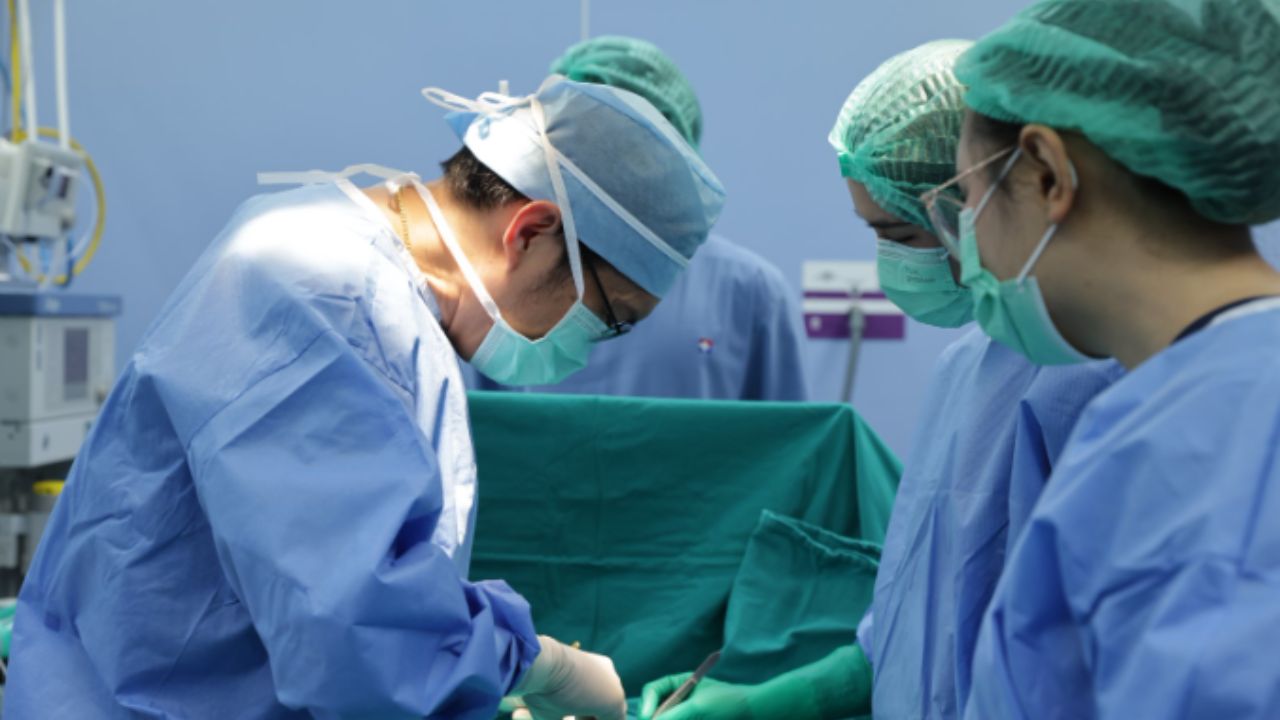
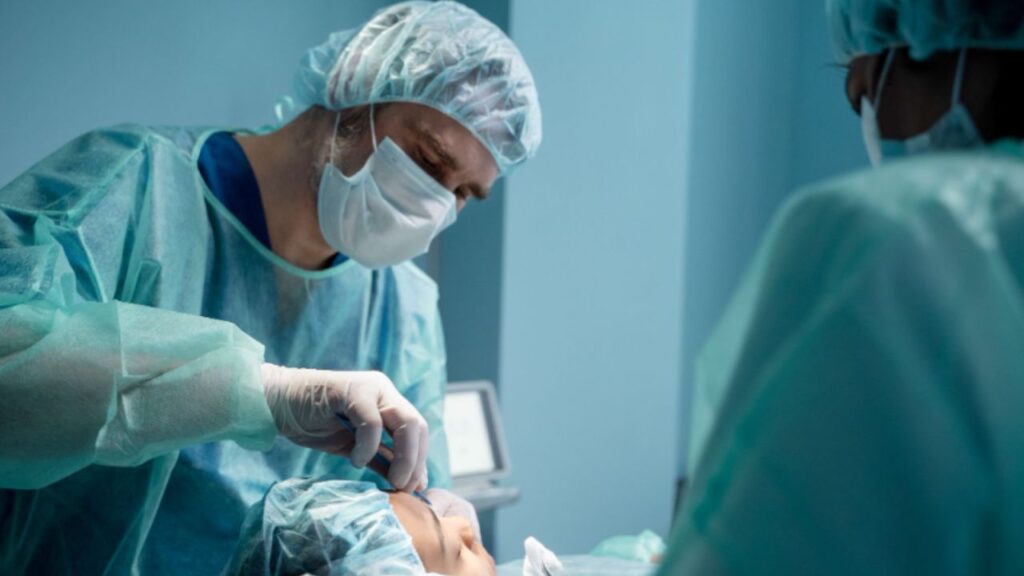
When it comes to cosmetic surgery or treatment-related procedures, most people tend to focus on choosing a highly skilled surgeon, advanced technology, and careful preoperative planning. These are all important factors. In reality, however, there is another step that is often overlooked, even though it is just as important in determining long-term success: post-operative care.
Phuket Plastic Surgery Institute, or PPSI (Phuket Plastic Surgery Institute), believes that surgical results do not end when the patient leaves the operating room. Rather, that moment marks the beginning of the journey toward lasting beauty through a continuous and systematic recovery process.
Surgery Is the Beginning, Not the End
Many patients often feel that the mission is complete as soon as they wake up from anesthesia. From the perspective of international standards such as those followed by PPSI, however, the final outcome of surgery depends on post-operative care as much as the procedure itself. Recovery is not merely waiting for wounds to heal; it is a process of maintaining shape, caring for tissue, and preventing complications while the body is actively repairing itself. This shift in perspective encourages patients to place just as much importance on every step after surgery as they do on preparation before surgery.
A Clear Care System Is the Heart of Recovery
One of the key strengths that sets PPSI apart is its clear and standardized post-operative care system, which covers multiple dimensions, including:
1. Pain management: An appropriate medication system helps reduce both physical pain and emotional anxiety, making recovery more comfortable for patients.
2. Advanced wounds care: the use of appropriate equipment and wound care techniques helps reduce the risk of infection while supporting faster and more aesthetically pleasing skin healing.
3. Monitoring for abnormal: symptoms Specially trained nursing teams check vital signs and side effects systematically to ensure that patients remain safe throughout the recovery process.
Care That Goes Beyond Duty
What distinguishes a general hospital from a specialized institute like PPSI is “attentive care.” Good post-operative care does not focus only on numbers in a patient chart; it also involves understanding each patient’s individual concerns and needs. The PPSI team provides close care and responds promptly to patients’ needs. This attention to small details is an important driving force that helps the recovery process proceed smoothly, both physically and mentally.
The Power of Continuous Follow-Up
Another key pillar that PPSI emphasizes is regular follow-up appointments. These are not merely checks to see whether the wound has dried properly; they are assessments of results at each stage of the healing process, divided into three important phases:
1. Early phase: Monitoring swelling, bruising, and post-surgical inflammation.
2. Middle phase: Evaluating how the surgical shape and contours are settling.
3. Long-term: phase Providing ongoing self-care guidance to help maintain beautiful and lasting results for as long as possible.
Note: Recovery time may vary from person to person, depending on the type of surgery and the body’s individual response.
A continuous follow-up system like this helps doctors and staff detect minor issues early, before they develop into major problems. It also gives patients confidence that they will receive ongoing care from the first day after surgery until the final aesthetic results become most visible.
Responsibility That Does Not End When Surgery Is Over
PPSI’s post-operative care standards are therefore not merely an addition to surgery; they are part of the responsibility owed to every patient. The combination of a strict and well-organized working system, attention to each individual’s details, and uninterrupted follow-up care is a key factor that enables PPSI to give patients confidence that their results will be more than temporary satisfaction. Instead, they represent true excellence accompanied by safety and long-term well-being.
Choosing a good place for surgery should therefore not be based solely on surgical skill in the operating room. It should also take into account the entire post-operative care system, because this is the factor that determines how safely and sustainably the achieved beauty will last.