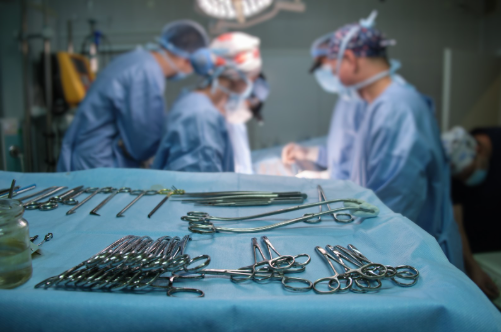
Male-to-Female Gender Affirming Surgery is one of the most highly complex procedures in plastic surgery, as it involves the urinary tract, sexual anatomy, and psychological well-being. Dr. Sanguan Kunaporn, Director of the Phuket Plastic Surgery Institute (PPSI), has appliedThe Patient Safety Diamond framework to elevate post-operative patient care, pushing beyond traditional safety limits to meet international standards.
Patient care based on the 4 dimensions of The Patient Safety Diamond, international safety standards by the International Society of Aesthetic Plastic Surgery (ISAPS), and PPSI guidelines includes:
Patient Factors (Preparation and Individual Pathology)
In terms of the procedure, post-operative safety depends on selecting techniques that promote optimal wound healing and simplify care.
-Vaginoplasty Techniques: Long-term use of estrogen affects blood coaguChoosing the right technique based on the patient's original tissue condition helps reduce the risk of wound dehiscence or vaginal stenosis. Current innovations focus on preserving blood vessels and nerves to ensure fast recovery and a natural tactile sensation.
- Systematic Monitoring: Communicating a Clear Post-op Protocol, such as proper dilation procedures and correct wound cleaning, is key to reducing infection rates and the need for revision surgeries.
The Surgeon & Team (Multidisciplinary Team and Safety Culture)
The plastic surgeon acts as the "captain," integrating expertise from various fields to ensure maximum patient safety.
-Interdisciplinary Support: In high-risk cases, anesthesiologists and internists play a crucial role in closely monitoring vital signs and hormone levels to prevent potential crises during lengthy surgeries.
- Shared Knowledge System: Under Dr. Sanguan's leadership, monthly case reviews serve as a vital tool for analyzing adverse events. This helps establish new care standards, such as developing more effective post-operative pain management techniques.
The Surgical Facility (Environment and Central Resuscitation System)
A safe healthcare facility must function as a 24-hour "life support system."
-Zero Infection Environment: Maintaining a zero surgical site infection rate for several consecutive years is the result of managing positive pressure operating rooms and the strict wound-care discipline of the registered nursing team.
-Electrical Systems and Critical Support Units: Because gender affirming surgery requires high continuity, the facility must have immediate backup power systems for ventilators and monitors, as well as an ICU ready for resuscitation according to JCI standards.
Post-Operative Mental Health Care: Red Flags to Watch
"Mental" safety is a dimension Dr. Sanguan highly prioritizes, with close monitoring of sensitive cases with a psychiatric history.
-Integration with Mental Health Professionals: Collaborating with the patient's primary psychiatrist to assess the need for ongoing antidepressants or anti-anxiety medications post-surgery. This ensures the patient can stably navigate the long and stressful recovery period.
From Dr. Sanguan Kunaporn's perspective, post-operative care for gender affirming surgery is the concrete application of Dr. Sanguan Kunaporn, The Patient Safety Diamond. SafetyThe Patient Safety Diamond fdoesn't end when the suturing is done; it is a 360-degree risk management process—from screening truly ready patients and using precise techniques to teamwork and having a facility equipped for any crisis. The ultimate goal is a "beautiful and sustainably safe new quality of life."
Commence Your Journey Toward Self-Assurance with Our Professional Team