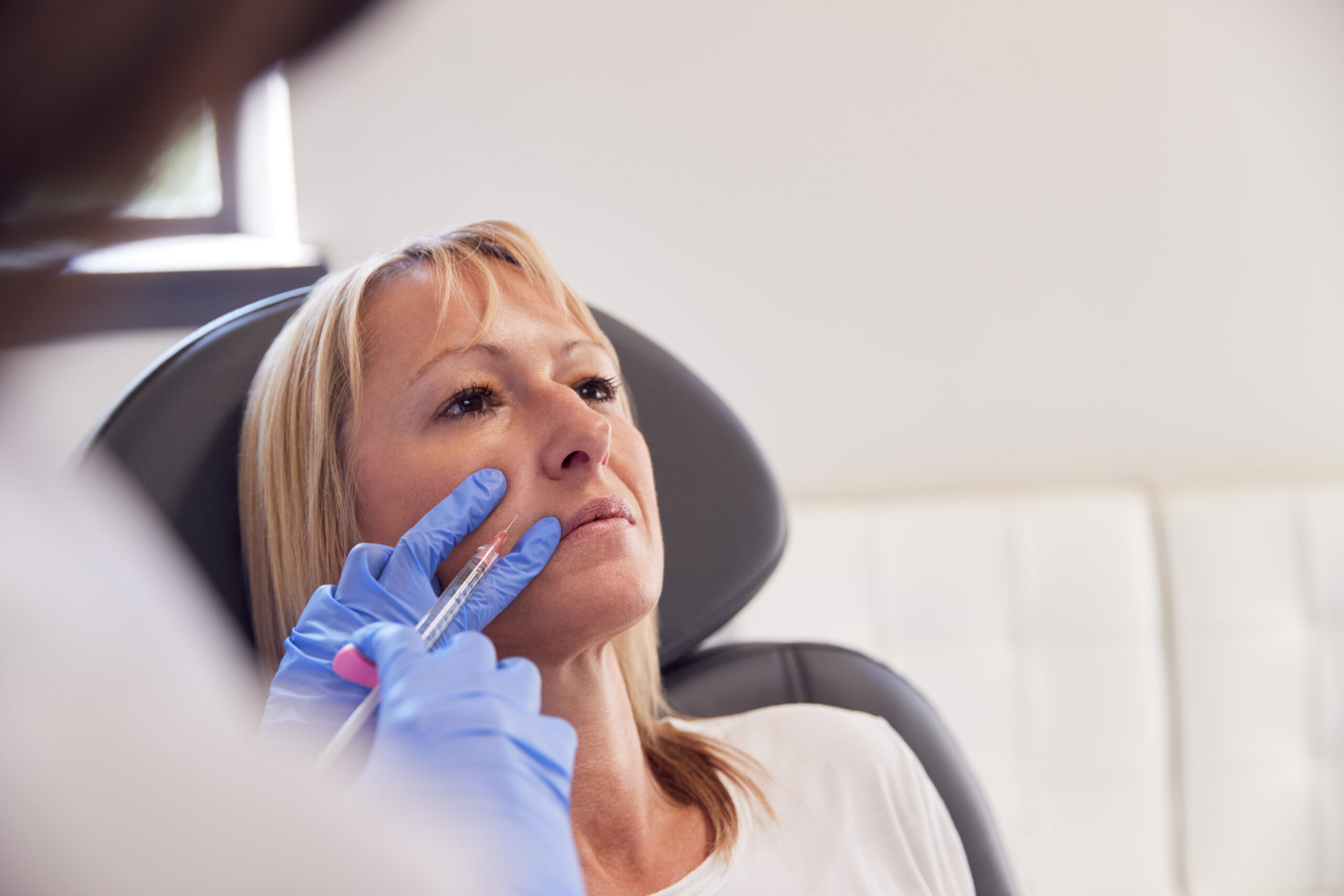
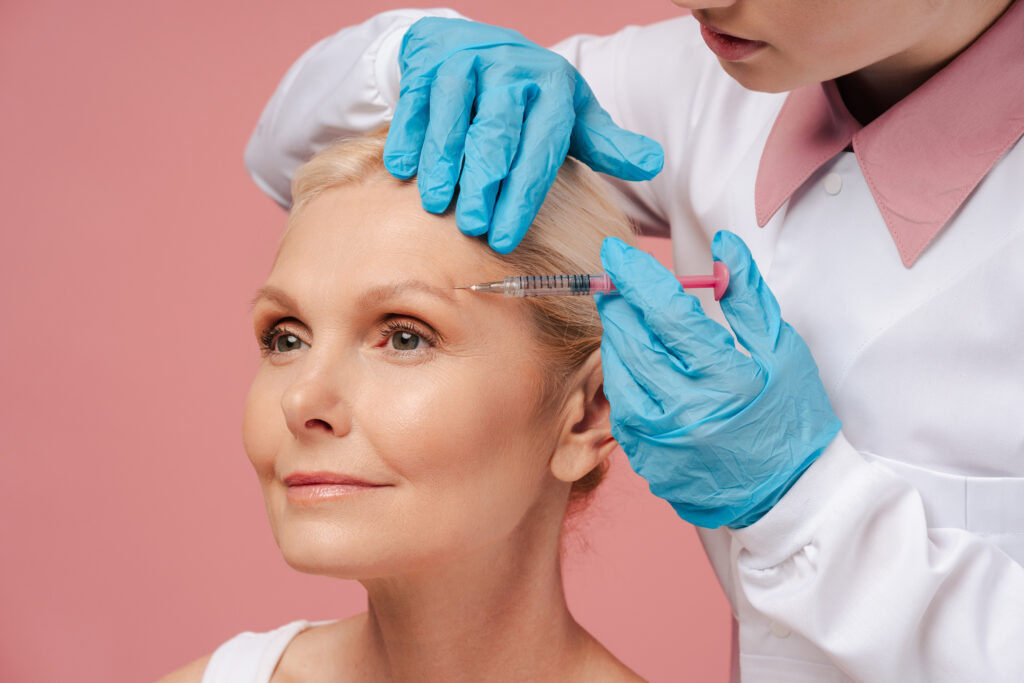
Maintaining a youthful appearance and restoring facial dimensions today is not limited solely to lifting and tightening the skin. Addressing volume loss is considered a key factor in helping the face regain a radiant, naturally lifted look. As a result, "facial fat grafting" (also known as lipofilling) has become one of the most popular procedures widely sought to meet this timeless aesthetic goal.
1. Autologous Facial Fat Transfer Innovation
Facial fat grafting is a medical procedure that uses the patient's own fat cells, which are harvested and then reinjected to restore or enhance the appearance for aesthetic and rejuvenation purposes. Because it uses 100% natural material from the patient's own body, there is no risk of allergy to foreign substances. This procedure has a relatively short recovery period, results in very small scars at the fat harvest site, and leaves no scars whatsoever on the treated facial areas.
2. Medical Procedure and Process
The process of harvesting, processing, and reinjecting fat cells is performed in a step-by-step manner under strict safety standards, as follows:
Harvesting: The surgeon performs liposuction on the patient's own body through small incisions of only 3–5 millimeters, using one or more incisions. Fat is typically harvested from areas with good-quality fat accumulation (donor sites), such as the abdomen, flanks, or the inner and outer thighs. After harvesting is complete, the surgeon immediately closes the donor site incisions.
Processing: The collected fat undergoes a meticulous medical separation process to extract only viable, highly purified fat cells along with stem cells.
Injection: The surgeon injects the purified fat cells back into the soft tissue layers of the target areas (recipient sites) through a special small cannula, which helps preserve the fat cells and leaves no scars on the face.
3. How Long Does the Fat Last ?
A key concern for most patients is how long the results of fat grafting will last and how much volume loss may occur:
Fat cell survival rate: Once fat cells are injected into the body, they may be reabsorbed by the immune system or affected by other biological factors. Statistical data from Phuket Plastic Surgery Institute (PPSI) indicates that, on average, approximately 30% to 75% of the injected fat cells survive and remain in the tissue.
The need for overfilling: Because some fat cells naturally diminish after surgery, the surgeon must calculate and initially inject a slightly greater volume of fat cells than the actual desired amount, in order to achieve the ideal aesthetic volume after healing is complete.
Statistics and mechanisms of long-term stability: According to international research in anesthesia and surgery (such as reports in the Aesthetic Surgery Journal and Plastic and Reconstructive Surgery), the process of non-viable fat cell absorption occurs most significantly during the first 6 weeks after surgery. Facial fat volume begins to stabilize between the 3rd and 6th months, which is the period when surviving fat cells can fully establish new vascularization. From this point onward, the surviving fat cells become permanently integrated into the face, expanding and contracting with changes in body weight and age just like natural fat cells.
4. Why Should Facial Fat Grafting Be Combined with a Facelift ?
When reaching an age where wrinkles and laxity appear, a problem that often occurs simultaneously is the sagging of facial muscle structures due to gravity, combined with facial hollowing from the loss of collagen and subcutaneous fat. For this reason, surgeons often recommend combining a facelift with facial fat grafting.
A facelift helps tighten and reposition the musculoaponeurotic layer and remove excess sagging skin for a lifted, contoured appearance, while fat grafting helps restore volume in hollow areas such as the temples, cheeks, or nasolabial folds, bringing back fullness. Combining both procedures together delivers complete rejuvenation results, with the face appearing visibly younger and achieving maximum natural harmony.
5. Proper Preoperative Preparation
For maximum safety and to reduce the chance of complications, patients should strictly follow the surgeon's recommendations:
Provide a detailed health history: Patients must fully inform the surgeon of any drug allergies, underlying medical conditions, and current medications (both prescription and non-prescription).
Control blood pressure: Patients with hypertension must strictly inform the surgeon and the anesthesia team in advance before surgery.
Avoid blood-thinning medications: Discontinue aspirin, aspirin-containing medications, and ibuprofen for at least 2 weeks before surgery to reduce the risk of abnormal postoperative bleeding.
Absolutely stop smoking: Smoking must be avoided for at least 2 weeks before surgery, as toxins in cigarettes affect the body's response to anesthesia and significantly slow wound healing.
6. Recovery Timeline and Postoperative Self-Care
Postoperative recovery after facial fat grafting at PPSI is designed for convenience and rapid patient recovery, as follows:
Procedure duration and pain management: The procedure takes approximately 1–2 hours and can be performed under local anesthesia combined with general anesthesia. In cases involving general anesthesia, patients must stay overnight at the hospital for 1 night. However, if only local anesthesia is used, patients may return home immediately without an overnight stay.
Sleeping position and skin hygiene: During the first week after surgery, patients are advised to sleep on their back to avoid pressure or friction on the treated areas. Patients may shower and wash their hair immediately after surgery, but must take special care to prevent the wounds from coming into direct contact with water to reduce the risk of infection.
Work and daily living: A full 1-week rest from work is recommended. Patients should refrain from driving only on the day of the procedure due to the effects of the medication.
Returning to normal activities: The body can fully recover within approximately 2 weeks, by which time the wounds have healed well and normal sexual activity may be resumed. However, strenuous exercise or heavy physical activity should be avoided for at least 30 days to allow the fat cells to fully establish their blood supply.
7. Risks and Complications to Be Aware Of
All plastic surgery procedures carry potential risks. For fat grafting, the risks include facial asymmetry, excessive fat injection resulting in an unnatural facial appearance, or partial damage and absorption of fat cells. Additionally, fat injected into certain areas may clump together and form oil cysts. For safety and to prevent the chance of postoperative infection, patients must strictly take the antibiotics prescribed by the surgeon until the course is complete.
8. International Safety Standards at PPSI
Phuket Plastic Surgery Institute (PPSI), located within Bangkok Hospital Siriroj, operates under JCI international care standards and is a member of the International Society of Aesthetic Plastic Surgery (ISAPS). Our team of instructor-level specialist surgeons has over 10 years of experience and has cared for more than ten thousand patients, ensuring that every step—from donor site selection and fat cell preparation to facial volume restoration—is safe, aesthetically pleasing, and truly personalized.
Q&A
Q1: What is facial fat grafting ?
A: It is a procedure in which the patient's own fat cells are reinjected to restore or enhance the appearance of targeted facial areas.
Q2: How long will the injected fat remain in the face ?
A: PPSI data indicates that approximately 30–75% of the injected fat cells survive and remain, with volume beginning to stabilize between the 3rd and 6th months.