Facelift Surgery for Youthful Rejuvenation: How to Prepare for a Natural-Looking Facelift?
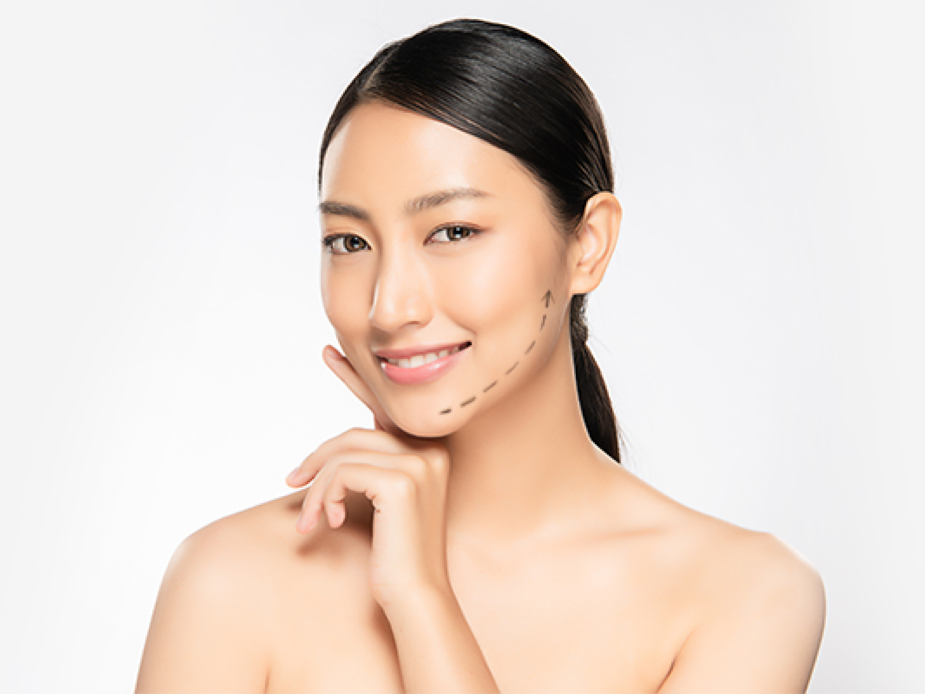
As we age, collagen and elastin in the skin naturally decrease, leading to wrinkles over time. Facelift surgery (or anti-aging facial surgery) has become a key solution to restore a youthful and refreshed appearance. However, to achieve a natural-looking facelift result without an overly tight or unnatural look, a detailed pre-operative evaluation by a board-certified plastic surgeon is always essential.
At PPSI (Phuket Plastic Surgery Institute), we believe that a facelift is not merely about pulling the skin tight, but it is an art of reshaping and rearranging the facial structure. Before deciding on surgery, our surgeons thoroughly evaluate the following key factors:
1. Facial Structure and the Depth of Sagging
At PPSI (Phuket Plastic Surgery Institute), we believe that a facelift is not merely about pulling the skin tight, but it is an art of reshaping and rearranging the facial structure. Before deciding on surgery, our surgeons thoroughly evaluate the following key factors:
2. Target Areas Requiring Correction
The human face is divided into three sections. The surgeon will evaluate which areas require lifting to ensure the most balanced and optimal overall result:
- Upper Face (Forehead, Forehead Muscles, and Brow Line): If you experience forehead wrinkles or sagging brows, the surgeon may consider utilizing the Endotine facelift technique. This helps lift the area while seamlessly concealing surgical incisions along the forehead or hairline.
- Mid-Face (Temples, Cheekbones, Mid-Cheeks, and Nasolabial Folds): This addresses sagging cheeks and deep nasolabial folds to restore a fuller, more youthful facial volume.
- Lower Face (Corners of the Mouth, Marionette Lines, Jawline, Double Chin, and Neck): For those with neck sagging and an undefined jawline, a lower facelift and neck lift can precisely target and reduce sagging skin in the lower face and neck area.
3. Skin Quality and Elasticity
Everyone’s facial skin condition is unique. The thickness and elasticity of the skin directly affect the tension applied during suturing. Pulling the skin too tight can result in an unnatural appearance or visible scarring. An experienced plastic surgeon will precisely calculate how to hide scars and apply the optimal lifting tension tailored to each patient’s specific skin type.
The Secret to Long-Lasting Youthfulness Begins with Accurate Evaluation
A naturally younger-looking face starts with a correct assessment and a personalized treatment plan. If you are looking for a safe way to reverse the signs of aging, PPSI at Bangkok Hospital Siriroj is ready to care for you. We feature a team of highly experienced plastic surgeons, modern techniques, and global safety standards accredited by JCI to help you regain confidence in the best version of yourself.
Start your journey to confidence with us:
Location: Phuket Plastic Surgery Institute (PPSI), Building 5, 4th Floor, Bangkok Hospital Siriroj
Operating Hours: Daily, 8:00 AM – 5:00 PM
Contact & Appointments: 076-361-888 ext. 5497, 5498
Email: [email protected]